Musty odor with no visible source
We run air samples in each room and compare them to an outdoor baseline. Elevated spore counts point to the source area, and thermal imaging usually reveals the moisture behind it. Once we find it, we scope the fix.
Air Quality And Mold Testing in CAPISTRANO BEACH, California gives you real answers about what is floating through your home. We run indoor air quality testing CAPISTRANO BEACH California homeowners trust after a roof leak, a musty smell, or a wet winter. Our technicians sample the air, inspect the structure, and send every sample to an accredited lab. You get written results, not guesswork.
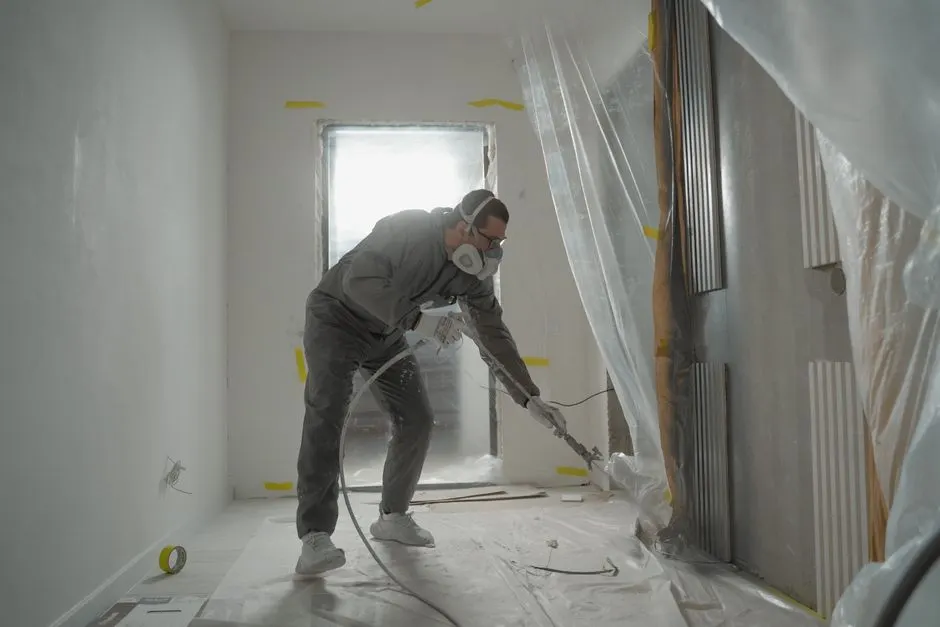
Air Quality And Mold Testing in CAPISTRANO BEACH, California is a diagnostic service that measures airborne mold spores, moisture, and indoor pollutants to determine whether your home or building has a hidden mold problem. We use air sampling pumps, moisture meters, and thermal imaging cameras to find the source. Samples go to an accredited lab, and you get a written report with spore counts and species identification. It is the fastest way to know if that musty smell in your hallway is mold or just old carpet.
Coastal Capistrano Beach homes take on marine moisture all year. Roof leaks, crawl space damp, and bathroom ceiling mold show up fast after a wet winter. If you have been searching for Air Quality And Mold Testing in CAPISTRANO BEACH California near me, we run same-day appointments and can be on site within hours. We also serve Doheny Village and the surrounding beach blocks where salt air and older plumbing keep indoor humidity high.
Every testing package covers the inspection, sampling, lab analysis, and a written report. Remediation is quoted separately if the results call for it. Here is what you get on a standard visit.
A technician walks the property checking for visible growth, water staining, and musty odors. We document everything with photos and note the location of each finding for the report.
We use a moisture meter and thermal imaging camera to find elevated readings behind walls, under flooring, and in ceilings. Readings above 16 percent in drywall are flagged as a mold risk.
Calibrated air sampling pumps pull a known volume of air through 3M spore trap cassettes in each suspect room. We also take one outdoor control sample for baseline comparison.
Where visible growth is present, we swab the surface and send it for species identification. This tells you whether you are dealing with black mold growth or a less concerning species.
All samples go to an independent accredited lab. Turnaround is 24 to 48 hours standard, with rush options available. You get spore counts per cubic meter and species names.
We review the report with you line by line, explain what the numbers mean, and outline next steps. If remediation is needed, we provide a scoped plan with pricing.
You call (833) 929-5837 and describe what you are seeing or smelling. We ask about recent leaks, water damage, and how long the issue has been going on. We book a same-day or next-morning slot and tell you what to do before we arrive, like keeping windows closed for 12 hours.
A certified technician walks the property with a moisture meter and thermal imaging camera. We check the attic, crawl space, bathrooms, and any wall that has seen water. A boroscope inspection camera lets us look inside wall cavities without cutting. This step usually takes 30 to 45 minutes.
We set up an air sampling pump in each suspect room plus one outdoor control sample. Each run pulls air for 5 to 10 minutes through a spore trap cassette. We also take surface swabs where visible growth is present. Samples are sealed, labeled, and shipped to an accredited lab the same day.
The lab cultures and counts spores by species. Turnaround is typically 24 to 48 hours, and rush service is available. You get raw counts for the indoor samples compared against the outdoor baseline. That ratio is what tells us whether the indoor air is contaminated.
We walk you through the report line by line. If levels are normal, we tell you so and suggest monitoring. If they are elevated, we identify the likely source and outline a remediation scope. You get the report in writing, with photos and moisture readings attached.
Purpose-built equipment, used by trained technicians — so the job is done accurately the first time.
Pulls a calibrated volume of air through a spore trap cassette so the lab can count spores per cubic meter. We run one per suspect room plus an outdoor control.
Reveals temperature differences behind walls and ceilings that indicate hidden moisture. It finds leaks and damp areas without cutting into drywall.
Reads moisture content in drywall, wood, and flooring. Anything above 16 percent in drywall is flagged as a mold risk and documented in the report.
Slides into wall cavities through a small hole to show what is happening behind the drywall. It confirms mold growth without demolition.
The sampling media used with our air pumps. They capture airborne spores for lab analysis by species and count.
Used when remediation follows testing. The dehumidifier pulls moisture from the air and the air scrubber filters spores through HEPA filters.
Removes settled spores from surfaces and framing without releasing them back into the air. Used during remediation and after material removal.
A homeowner noticed a faint musty smell in an upstairs bedroom after a wet winter. No visible staining. Air sampling showed indoor spore counts at 3,200 spores per cubic meter against an outdoor baseline of 800. Thermal imaging flagged a damp section of attic sheathing above the bedroom.
We removed two affected sheets of sheathing, treated the framing with antimicrobial coating, and ran a HEPA air scrubber for 24 hours. Post-remediation testing came back at 620 spores per cubic meter, below the outdoor baseline. The smell was gone within a week.
A property manager reported a musty odor in a ground-floor unit. Crawl space air sampling showed elevated Penicillium and Aspergillus counts, and joist moisture readings were above 22 percent. The vapor barrier was torn and partially missing.
We removed affected insulation, treated the joists with mold inhibitor, and installed a new sealed vapor barrier. Clearance testing 48 hours later showed spore counts back within normal range. The tenant stopped reporting the smell.
A beachfront cottage had recurring dark staining on the bathroom ceiling that kept coming back after cleaning. Air sampling in the bathroom showed spore counts three times the outdoor baseline. The exhaust fan was undersized and venting into the attic.
We removed the affected drywall section, treated the framing, and rerouted the exhaust vent to the exterior. Post-remediation air testing confirmed counts back at baseline. The staining has not returned.
Most mold calls start with a smell, a stain, or a symptom. Air testing turns that vague worry into a number you can act on.
Ask a pro →We run air samples in each room and compare them to an outdoor baseline. Elevated spore counts point to the source area, and thermal imaging usually reveals the moisture behind it. Once we find it, we scope the fix.
We sample the affected area and check moisture levels in surrounding materials. If growth has started, we move straight into water damage mold remediation with containment and HEPA filtration.
Our indoor air mold testing CAPISTRANO BEACH California service gives you species-level counts. If toxigenic mold is present, we recommend toxic mold removal with full containment and post-remediation verification.
We provide a written lab report with spore counts, moisture readings, and photos. That documentation satisfies real estate disclosure requirements and gives both sides a clear picture.
Most single-room air tests run $299 to $450 including lab analysis. A whole-home package with three to five rooms plus an outdoor control sample runs $550 to $900. Surface swabs and rush lab turnaround add cost. Prices reflect typical 2026 rates in this area, and you get the number before we start.
Three signs point to a problem: a musty odor that will not go away, visible dark spots on drywall or ceiling tiles, and allergy symptoms that ease when you leave the house. A moisture meter reading above 16 percent in drywall is another red flag. Air sampling confirms it with spore counts.
Air sampling is accurate when done correctly. We pull a known volume of air through a calibrated pump, and the lab counts spores per cubic meter. Comparing indoor counts to an outdoor baseline is what makes the result meaningful. One sample is a snapshot; multiple rooms plus a control give a reliable picture.
Test after any water event: a roof leak, a burst pipe, a toilet overflow, or a wet winter. Otherwise, once every two to three years is reasonable for coastal homes. If you have had remediation done, we retest within 24 to 48 hours of clearance to confirm the space is clean.
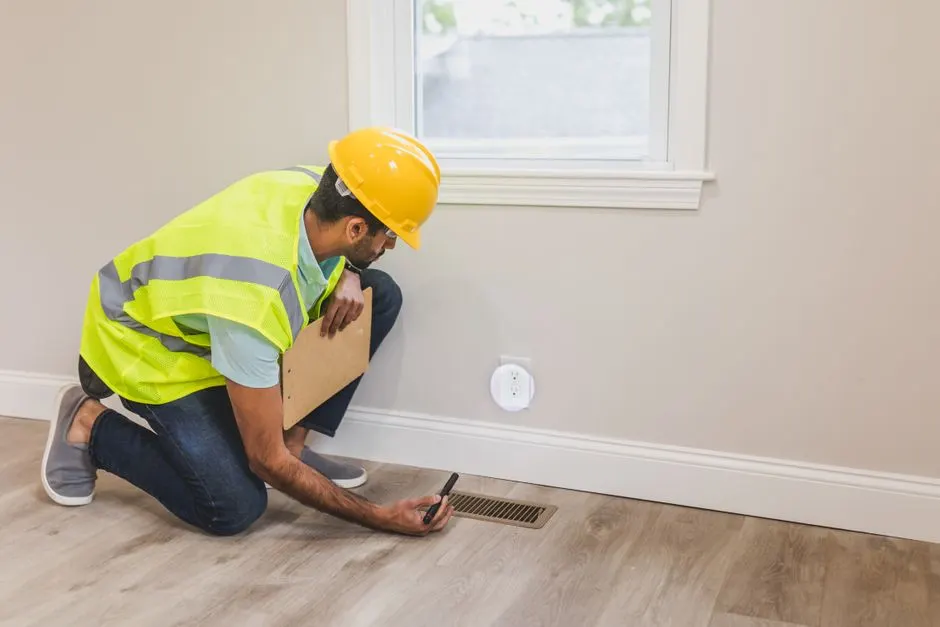 Mold Inspection Near MeA full visual and moisture inspection pairs with air testing to locate the source. We check attics, crawl spaces, and wall cavities in Capistrano Beach homes before sampling.Explore →
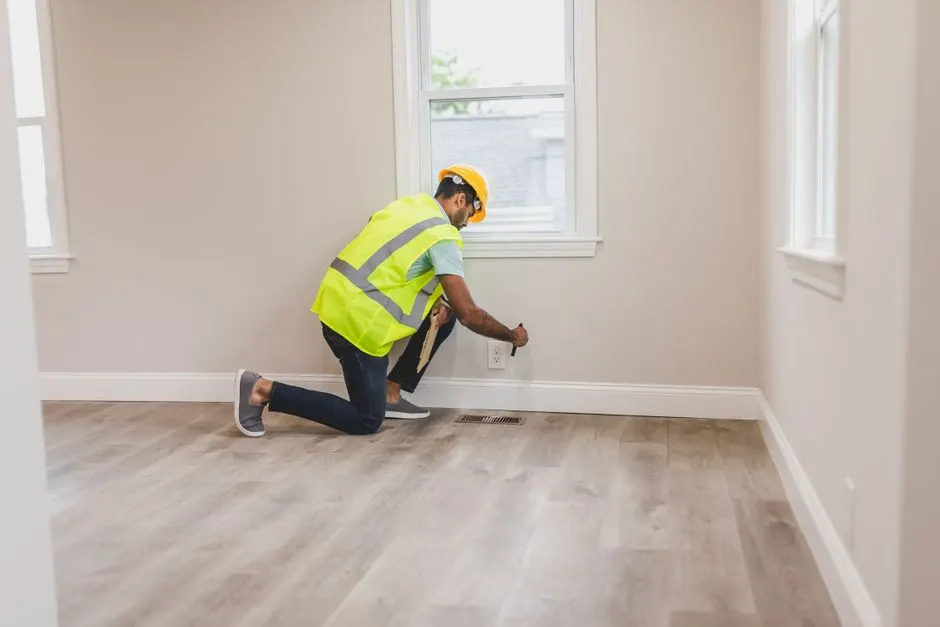 Mold InspectionOur inspection covers moisture mapping, thermal imaging, and a boroscope look inside walls. It tells you where the problem is before we run air samples to confirm it.Explore →
 Mold TestingAir, surface, and bulk sampling options. We match the test type to the situation, whether you have visible growth or just a musty smell with no obvious source.Explore →
 Mold Testing Near MeLocal dispatch across Capistrano Beach and Doheny Village. Same-day slots available for urgent calls after a leak or a wet-weather event.Explore →
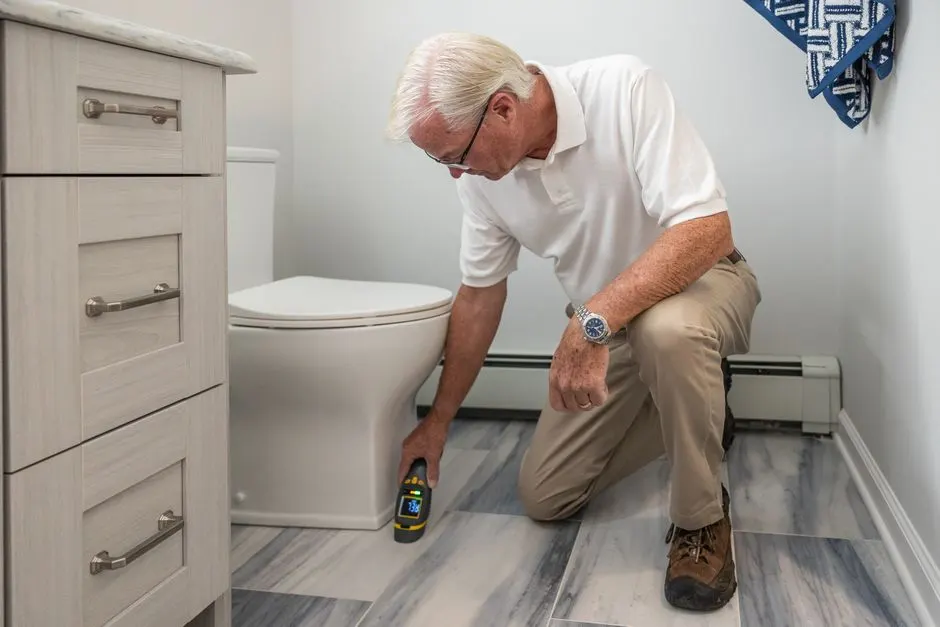 Certified Mold InspectorOur inspectors hold IICRC AMRT certification and follow California Department of Public Health guidelines. Every report is signed and defensible for insurance or real estate.Explore →
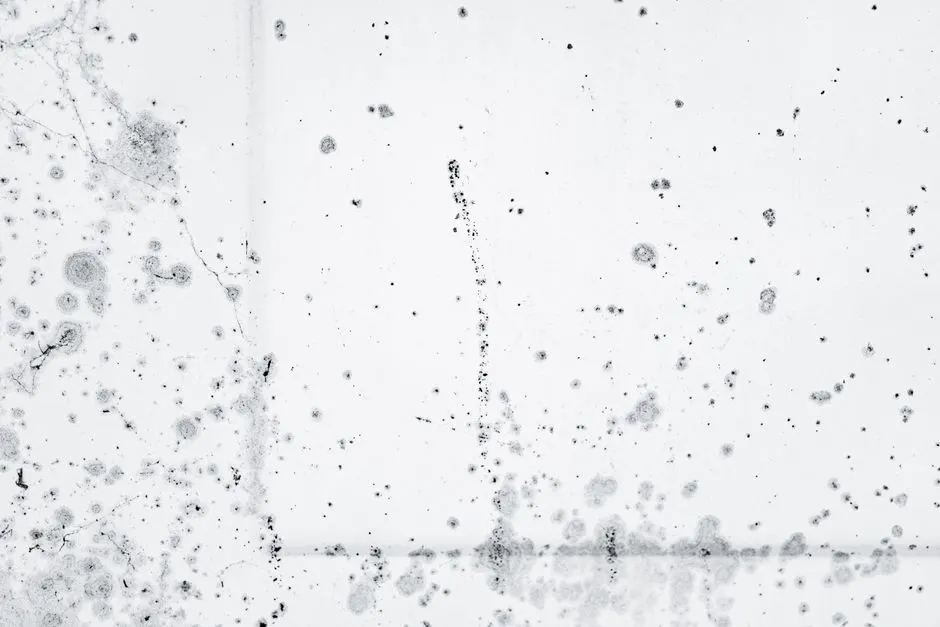 Black Mold InspectionBlack mold growth needs species-level identification. Air sampling and surface swabs tell you whether the dark staining is Stachybotrys or a less concerning species.Explore →
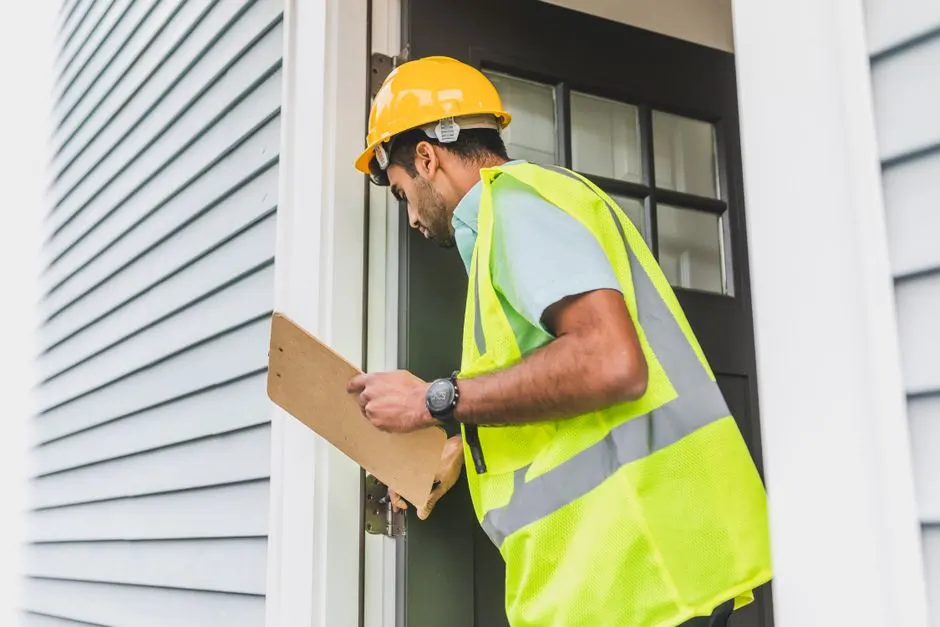 Home Mold InspectionWhole-house inspection covering attic, crawl space, bathrooms, and HVAC. We document moisture readings and photo evidence for every area we check.Explore →
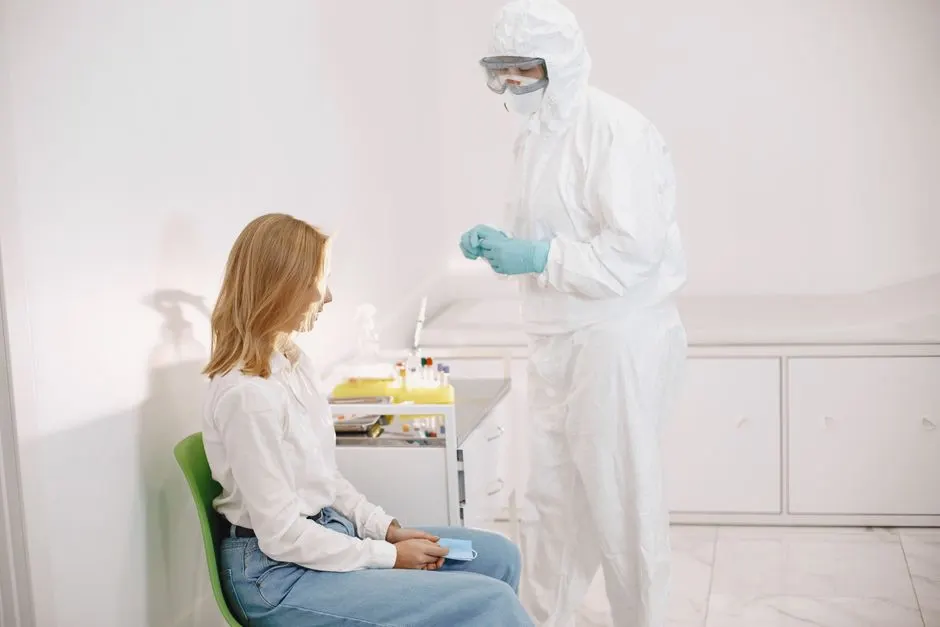 Residential Mold TestingBuilt for single-family homes and condos. We sample each suspect room plus an outdoor control to give you a clear indoor-versus-outdoor comparison.Explore →
Call (833) 929-5837 and we will schedule your air sampling, usually the same day. You get independent lab results in 24 to 48 hours and a written report you can hand to your insurance adjuster. Licensed, insured, and local to Capistrano Beach.
Book Testing Now (833) 929-5837 →Call (833) 929-5837 or send us a message and we will get back to you the same day. We answer 24/7 for emergency calls and schedule inspections Monday through Friday. If you have photos of the mold or a moisture issue, send them over - it helps us give you a faster, more accurate scope.