Independent clearance verification before you rebuild, reoccupy, or close escrow

Post Remediation Mold Testing in CAPISTRANO BEACH, California

Post Remediation Mold Testing in CAPISTRANO BEACH, California is the final verification step that proves your remediation actually worked. We pull air and surface samples, run moisture readings, and hand you lab results you can show a landlord, buyer, or insurance adjuster. If you just had a crew tear out drywall in Doheny Village or Capo Beach Heights, this is the clearance mold testing in CAPISTRANO BEACH that closes the job.

↗
Fast online booking

Request service today

Tell us what is happening. Our local team will confirm your visit shortly.

No spam. No obligation. Just practical help.
Thanks — we'll call shortly to confirm your visit.
Post Remediation Mold Testing you can count on
Careful work. Honest options.
About this service

What Post Remediation Mold Testing in CAPISTRANO BEACH, California Covers

Post Remediation Mold Testing is the independent verification step that happens after a mold crew finishes. We do not take the remediator's word for it. We set up air sampling pumps inside and outside the containment, run a moisture meter and thermal imaging camera across the walls and framing, and check hidden cavities with a boroscope inspection camera. Samples go to an accredited lab, and you get a written report with spore counts, genus identification, and a pass or fail call.

Capistrano Beach homes sit close to the water, and that coastal humidity keeps framing, crawl spaces, and attic sheathing damp long after a leak is fixed. We see black mold growth return in bathrooms, HVAC mold contamination spread through ductwork, and crawl space mold that was never fully dried. If you searched for post cleanup mold testing in CAPISTRANO BEACH after a water damage mold cleanup, this is the step that tells you whether the space is actually safe to rebuild.

  • ✓ Lab-Backed Pass or Fail
  • ✓ Same-Day Scheduling Available
  • ✓ Independent From the Remediator
  • ✓ Hidden Moisture Found Before Rebuild
What's included

What Is Included in Our Clearance Testing Service

Every clearance job includes the same core scope: visual inspection, moisture and thermal scanning, air and surface sampling, lab analysis, and a written report. What changes is the sample count and the areas covered, which scale with the size of the remediated space. Lab fees are baked into the quote, and we tell you upfront if a job needs extra samples before we schedule.

✓

Visual Inspection Sweep

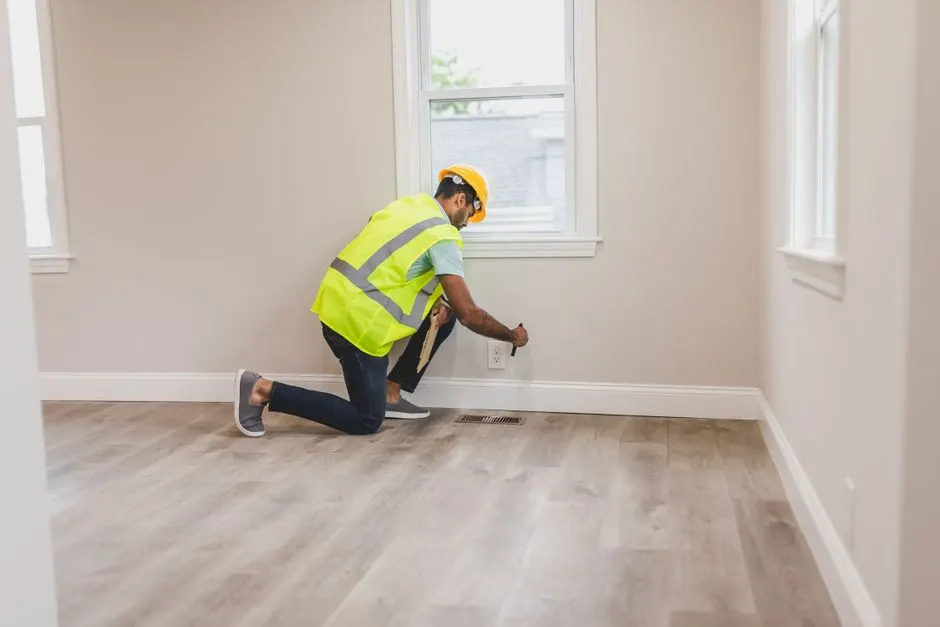
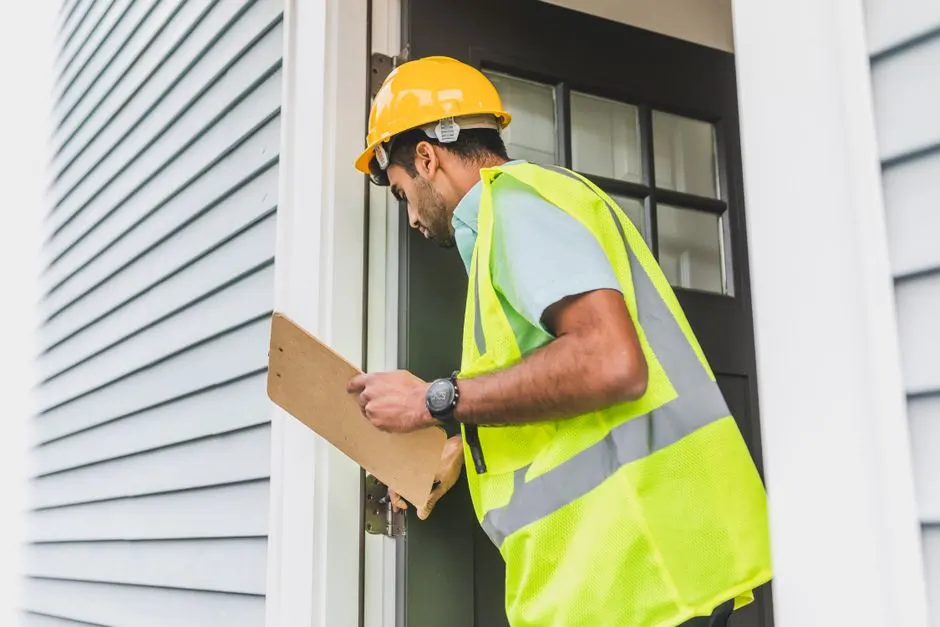
We walk the remediated space and check containment removal, HEPA vacuum residue, and any remaining staining on framing, drywall, or sheathing. A boroscope inspection camera goes into wall cavities the remediator sealed up, so we are not just looking at the surface.

✓

Moisture and Thermal Scanning

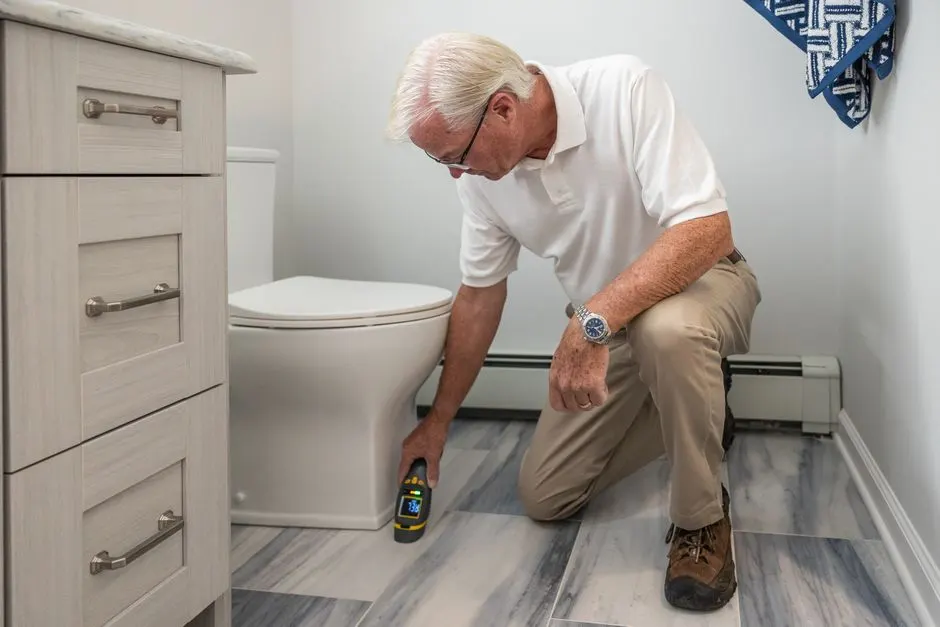
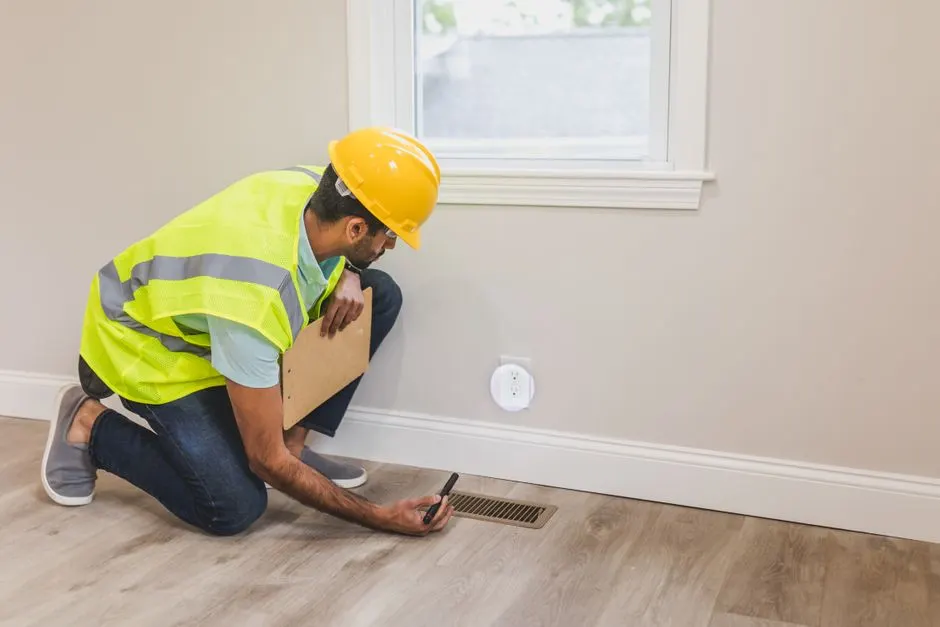
A moisture meter and thermal imaging camera scan framing, subfloor, baseboards, and ceiling assemblies. Elevated readings mean the structure was not fully dried, and we mark those spots on a floor plan so you can see exactly where the issue sits.

✓

Air Sampling With Lab Analysis

Air sampling pumps run timed samples indoors and outdoors. The lab compares indoor spore counts against the outdoor baseline and identifies genera. Standard culture results come back in 24 to 48 hours.

✓

Surface Sampling

Surface samples come from framing, duct interiors, and any suspect material still in place. These catch settled spores that air sampling alone can miss, especially in HVAC mold contamination cases where spores collect inside ductwork.

✓

Written Clearance Report

The report includes spore counts, genus identification, moisture readings, and photo documentation. It is formatted for third parties, so adjusters, landlords, and buyers can read it without a translator.

✓

Retest Coordination

If the space fails, we tell you what failed and where. When the remediator corrects it, we come back and retest, usually at a reduced rate since we already have the floor plan and outdoor baseline on file.

How it works

How Our Clearance Mold Testing Process Works

01

Phone Intake

You call (833) 929-5837 and tell us what was remediated, where, and when the crew finished. We ask about the scope, the containment setup, and whether an air scrubber or negative air machine is still running. That call takes five minutes and sets the sampling plan before we ever load the truck.

02

On-Site Visual Sweep

Our inspector walks the space first. We check containment plastic sheeting, zipper doors, and HEPA vacuum residue, then look for musty odors, staining, and any missed drywall mold or attic mold. This is where a boroscope inspection camera earns its keep, checking inside wall cavities the remediator sealed up.

03

Moisture and Thermal Scan

We run a moisture meter across framing, baseboards, and subfloor, then sweep the same areas with a thermal imaging camera. Elevated readings mean the structure was not fully dried. We mark those spots on a floor plan so you can see exactly where the problem sits before anyone hangs new drywall.

04

Air and Surface Sampling

We set air sampling pumps for a timed run, one indoors in the work area and one outdoors for a baseline. Surface samples come from framing, duct interiors, and any remaining suspect material. Samples ship to an accredited lab the same day, and standard culture results come back in 24 to 48 hours.

05

Written Clearance Report

You get a report with spore counts, genus identification, moisture readings, and photos. If the space passes, we say so in writing and you can rebuild. If it fails, we tell you exactly what failed and what needs re-cleaning, and we can retest after the remediator corrects it.
Tools & methods

Tools and Methods We Use for Clearance Testing

Purpose-built equipment, used by trained technicians — so the job is done accurately the first time.

Air Sampling Pump

Draws timed air samples onto spore trap cassettes, indoors and outdoors, so the lab can compare indoor counts against the outdoor baseline.

Moisture Meter

Reads moisture content in framing, drywall, and subfloor. Elevated readings mean the structure was not fully dried before clearance.

Thermal Imaging Camera

Surfaces temperature differences that reveal hidden moisture behind walls and ceilings without opening them up.

Boroscope Inspection Camera

Slides into wall cavities and duct interiors to check for remaining growth the eye cannot see from outside.

HEPA Vacuum

Used during any re-cleaning we perform on sample points, and referenced when we verify the remediator's HEPA vacuum work.

Dehumidifier

Brought in when moisture readings are elevated and the space needs additional drying before a retest will pass.

Respirator Cartridges and Disposable Coveralls

Standard PPE for our inspectors when entering a containment or a space with elevated spore counts.

Real results

Before and after.

Bathroom Ceiling Mold, Capo Beach Heights

Before

A slow supply line leak soaked the bathroom ceiling for months before the stain showed. The remediator removed the drywall and treated the framing, but the homeowner had no documentation. Air samples in the adjacent hallway showed elevated Penicillium/Aspergillus counts.

After

We identified that the containment had leaked during removal. The remediator re-cleaned the hallway and HEPA vacuumed the area. Retest came back at 180 spores/m3 indoors against a 420 spores/m3 outdoor baseline, a clear pass.

Crawl Space Mold, Doheny Village Rental

Before

A rental property had crawl space mold removed after a plumbing leak. The remediation receipt said the job was complete, but the tenant reported a musty smell. Moisture meter readings on the subfloor showed 22 percent moisture content, well above the 16 percent threshold for mold growth.

After

We documented the elevated moisture, and the remediator brought in a dehumidifier for three days. Retest showed subfloor moisture at 11 percent and air samples at baseline. The tenant renewed the lease with the clearance report on file.

Attic Mold After Roof Leak, Vista Del Mar

Before

A roof leak during winter rain fed attic mold across roughly 200 square feet of sheathing. The remediation crew replaced the damaged sheathing and treated the rafters. Clearance testing found clean sheathing but elevated spores in the HVAC ductwork below.

After

The report documented duct contamination, and the homeowner had the ducts cleaned and HEPA vacuumed. Retest showed duct surface samples at baseline, and the attic passed clearance. The HVAC mold contamination was resolved before it could circulate back into living space.

Problems we solve

Problems We Solve With Post Remediation Mold Testing

Most clearance problems come down to moisture that was never fully dried or spores that settled after the containment came down. Here is what we catch.

Ask a pro →
01

Remediator says the job is done but you have no proof

We provide an independent written report with lab-backed spore counts, moisture readings, and photos. That document is what third parties accept, and it takes the conversation out of the realm of opinion.

↗
02

Musty odor lingers after remediation

We sample the air and surfaces in the affected area, then scan for hidden moisture with a thermal imaging camera. If the odor traces to a missed moisture source, we identify it and document it so the remediator can address the root cause.

↗
03

Hidden moisture behind new drywall

Our moisture meter and thermal scan catch elevated readings before the drywall goes back up. We mark the spots on a floor plan so you can show the remediator exactly where drying was incomplete.

↗
04

HVAC ducts still contaminated after room remediation

We sample duct interiors as part of clearance testing when the remediation scope touched the HVAC system. If counts are elevated, the report documents it, and duct cleaning becomes part of the correction scope before final clearance.

↗
Proof you can check

Credentials and Reviews

✓
IICRC AMRT (Applied Microbial Remediation Technician)Institute of Inspection, Cleaning and Restoration Certification
✓
IICRC WRT (Water Restoration Technician)Institute of Inspection, Cleaning and Restoration Certification
✓
ACAC CMI (Certified Microbial Investigator)American Council for Accredited Certification
✓
ACAC CMR (Certified Microbial Remediator)American Council for Accredited Certification
✓
EPA Lead-Safe Certified FirmU.S. Environmental Protection Agency
Good questions

Frequently Asked Questions About Clearance Mold Testing

(833) 929-5837 →

Most residential clearance jobs in Capistrano Beach run $350 to $850 in 2026, depending on square footage and sample count. A single-room clearance with three air samples and two surface samples sits at the low end. Whole-house jobs with attic and crawl space sampling, or commercial spaces needing multiple containment zones, land higher. Lab fees are included in the quote, and we give you the number before we schedule.

Because visible mold gone does not mean spores are gone. Remediation stirs up spores, and if the containment or HEPA vacuum work was sloppy, they settle back into the space. Clearance testing measures what is actually in the air and on surfaces after the work. It is also the document your insurance adjuster, landlord, or buyer will ask for before they accept that the job is finished.

Wait until the remediator has finished cleaning and the space has been dry for at least 24 hours. If a dehumidifier or air scrubber is still running, turn it off and let the room settle for a few hours before sampling, or the numbers will read artificially low. Most crews call us the day they wrap, and we schedule within 24 to 72 hours.

A failed test means spores are still elevated or moisture is still trapped. We tell you exactly which samples failed and where the readings came from, then you hand that report back to your remediator for re-cleaning. Once they correct it, we retest, usually at a reduced rate since we already have the floor plan and baseline. Do not rebuild until you have a passing report.

Ready when you are

Book Post Remediation Mold Testing in CAPISTRANO BEACH, California

If your remediation crew just finished and the space is dry, call us at (833) 929-5837. We will schedule clearance testing, pull the samples, and get you a written report you can hand to your adjuster, landlord, or buyer. Independent testing, clear pricing, no upsells.

Schedule Clearance Testing (833) 929-5837 →
Request an appointment

Contact Our Mold Remediation Team

Call (833) 929-5837 or send us a message and we will get back to you the same day. We answer 24/7 for emergency calls and schedule inspections Monday through Friday. If you have photos of the mold or a moisture issue, send them over - it helps us give you a faster, more accurate scope.

Request received — our team will be in touch shortly.
Tap to call(833) 929-5837